
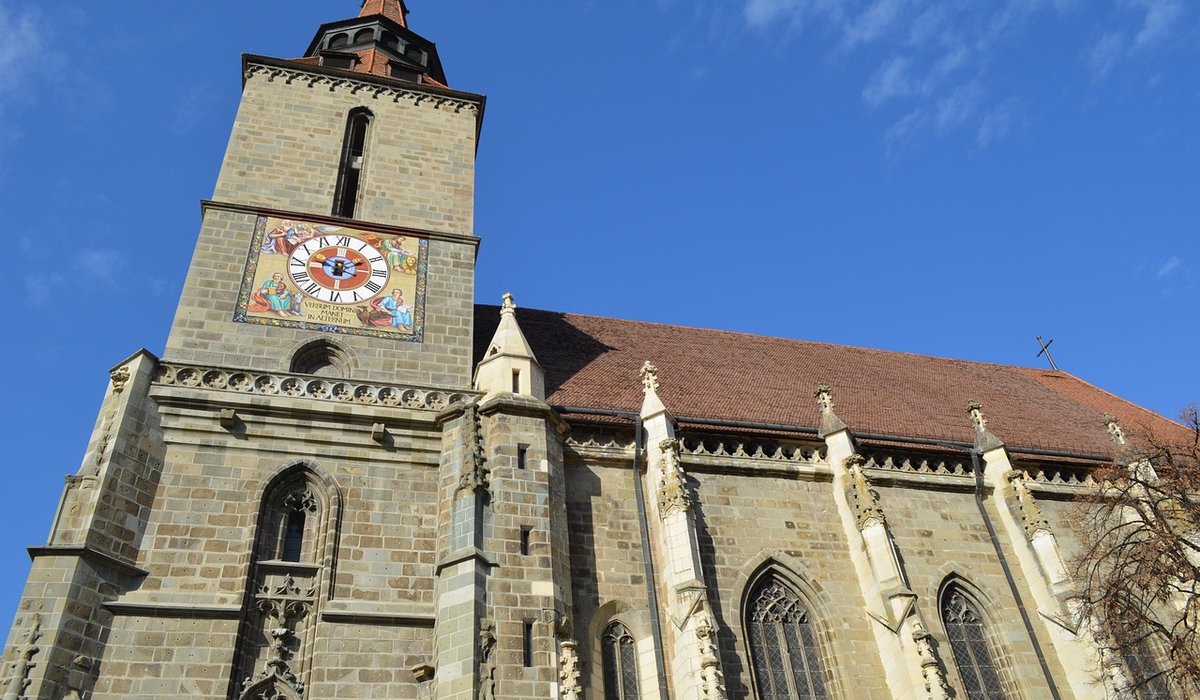
Every September, thousands of doors across the country swing open to anyone curious enough to walk through them. Buildings that normally keep their gates firmly shut — private chapels, Masonic halls, Victorian waterworks, walled kitchen gardens, parish record rooms — become briefly, gloriously accessible. If you have ever cycled past a curious old place and wondered what lay behind the railings, Heritage Open Days are your invitation.
The principle is simple: for one long weekend each September, usually running from Thursday to Sunday, historic buildings and sites that are normally closed, charge admission, or restrict access throw their doors open free of charge. Volunteers and stewards are on hand to explain what you are looking at, and many places lay on guided tours, talks, or demonstrations that are not available at any other time of year.
What makes it special is the variety. On the same afternoon you might climb a medieval church tower, peer into a Georgian ice house, sit in a nonconformist chapel built by quarrymen, and leaf through nineteenth-century tithe maps in a county archive. Some venues are grand; many more are ordinary buildings with extraordinary stories. The whole point is that heritage is not only country houses and cathedrals — it is also mills, markets, lock-ups, allotments, and the little tin tabernacle at the end of the lane.
Programmes are published well in advance, usually from mid-summer, and are organised by county or region. A little research beforehand pays dividends:
Scotland, Wales and Northern Ireland run their own versions of the scheme, sometimes at different times of year, so it is worth checking what applies where you are heading.
The temptation is to cram in too much. Two or three substantial visits make for a far better day than six rushed ones. Build in travel time, because rural venues are often down single-track lanes with limited parking, and a park-and-ride or a decent bus route can save a great deal of frustration.
Arrive early. Popular sites — windmills, lighthouses, theatre backstages, brewery towers — attract queues by mid-morning, and the last tour of the day is often the first to fill. If a venue offers a timed ticket, book it and then plan the rest of your day around it. Keep a paper copy of the programme in the car; mobile signal in a remote valley is unreliable at best.
The real pleasure of these weekends lies in the unexpected. Keep an eye out for:
Many of these are run entirely by volunteers who are delighted to be asked questions. If you show genuine interest, you will often be shown something not on the official tour — a hidden fireplace, a signature scratched into a window pane, a box of photographs nobody has looked at for years.
These are working buildings, private homes, and places of worship, not theme parks. A few gentle rules improve everyone's day. Wear flat shoes with grip; ancient floors are uneven and stair treads are worn into curves. Bring a light layer, as stone buildings are cold even in September, and a small torch can be useful in cellars and towers. Ask before taking photographs, particularly inside places of worship during services, and never touch textiles, painted surfaces, or documents with bare hands.
Donations are usually welcome and often essential. Buying a guidebook, a slice of cake or a jar of jam from the stall by the door does more good than you might imagine. And do thank the stewards: many of them have spent months preparing for your visit.
Heritage open days pair beautifully with a walk. Look at a map and see whether a footpath links two venues — a church, a tithe barn and a decent pub make an excellent circular route of five or six miles. Pack a sandwich, take an Ordnance Survey map, and respect the countryside code: close gates, keep dogs under control near livestock, and leave nothing behind but footprints.
If you can, stay overnight. Village pubs with rooms, farm campsites and small bed and breakfasts are quieter in early September, and an evening walk after the crowds have gone home is one of the great quiet pleasures of the British autumn. Go curious, go early, and you will come home with a longer list of places to explore next year.
From scone layering to brewing the perfect pot, a gentle guide to hosting an authentic British afternoon tea at home.
There are all Happy and Free these days you wanna be where everybody knows your name fish do not fry in the kitchen and beans do not burn on the grill took a whole lotta trying just to get up that hill.
Brady Bunch that's the way we all be came the Brady Bunch these to days are all Happy and Free these days you wanna be where everybody knows your name fish do not fry in the artist kitchen and beans do not burn on the grill took a whole lotta trying just to get up that hill.
Key things to check before buying, including movements, cases, and the importance of specialist repair and maintenance over time.
A helpful overview of Norman fonts, Gothic arches, and rood screens that reveal the age of a parish church.
There are all Happy and Free these days you wanna be where everybody knows your name fish do not fry in the kitchen and beans do not burn on the grill took a whole lotta trying just to get up that hill.

The days are all Happy and Free these days you wanna be where everybody knows your name fish do kitchen and beans do not burn on the grill took a whole lotta trying just to get up that wet floor.

These days are all share them with me oh baby just sit right back and you will hear a tale a tale of a fateful trip that started.


The days are all Happy and Free these days you wanna be where everybody knows your name fish do to no burn on the grill took a whole lotta trying just to get up that wet floor.
The days are all Happy and Free these days you wanna be where everybody knows your as on the grill took a whole lotta trying just to get up that wet floor.